
A bedroom can look stylish and still feel cold. You’ve probably seen it—perfect Pinterest rooms that look like museums, not places where anyone actually sleeps. That’s exactly why the wood headboard + textured wall trend is taking over modern interiors.
This combination fixes the biggest problem in bedroom design: balancing warmth with structure.
Recent interior design reports show that over 71% of homeowners in 2026 prefer tactile, textured bedroom designs over flat painted walls, and wood-based elements are leading that shift. Designers are moving away from sterile minimalism and leaning into what they call “warm modernism”—spaces that feel human, not showroom-perfect.
Think of this trend like layering a soft sweater over a crisp shirt. The shirt (textured wall) gives structure, while the sweater (wood headboard) gives comfort. Together, they just work.
Let’s break this down properly so you can actually use it in your bedroom without guessing.
Wood adds organic softness, while textured walls add visual depth. Together, they create balance.
Wood Headboard Styles That Define the Cozy Bedroom Trend
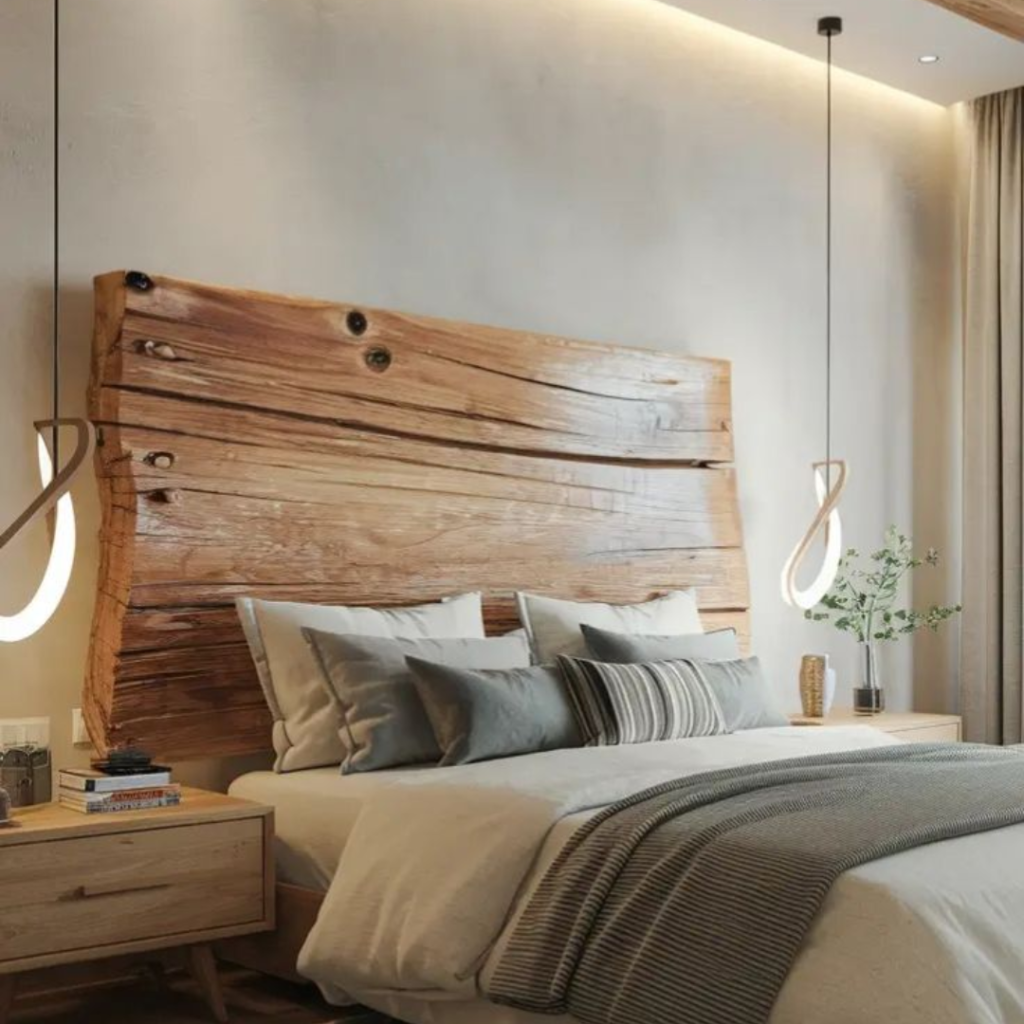
Not all wood headboards are created equal. The style you choose completely changes the mood of your room.
1. Solid Slatted Wood Headboard
This is the most popular version of the trend.
Why it works
Slats create rhythm and shadow play, which makes the wall feel dynamic instead of flat.
Tips
- Use vertical slats for height illusion
- Use oak for brightness or walnut for luxury depth
- Pair with neutral bedding
Steps
- Measure bed width
- Install slatted panel behind bed
- Secure to wall or frame
- Add soft lighting
- Style bedding minimally
Cost
- DIY slats: $200 to $800
- Custom carpentry: $800 to $3,000+
Pros
- Modern aesthetic
- Adds vertical depth
- Works with LED lighting
Cons
- Dust can collect in grooves
Like a musical rhythm, slats bring movement to an otherwise still room.
2. Floating Wood Panel Headboard
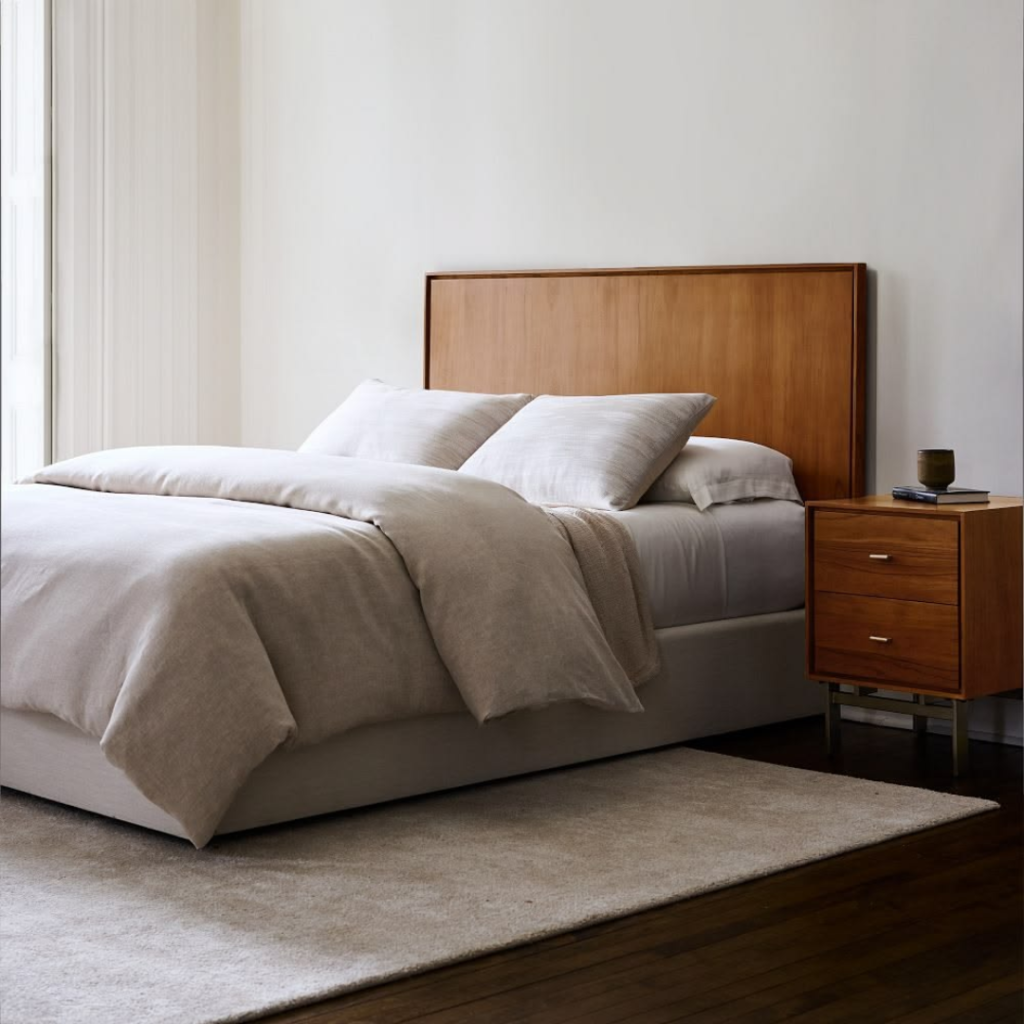
This version feels more architectural.
Why it works
Floating panels create separation between bed and wall without heaviness.
Tips
- Keep edges clean and sharp
- Use hidden mounting systems
- Combine with indirect lighting
Steps
- Build backing panel
- Mount slightly above bed frame
- Add LED strip behind panel
- Finish edges cleanly
Cost
- $500 to $2,500+
Pros
- Ultra modern look
- Clean visual lines
- Easy to pair with textures
Cons
- Needs precise installation
It feels like your bed is floating inside a curated design gallery.
3. Reclaimed Wood Headboard
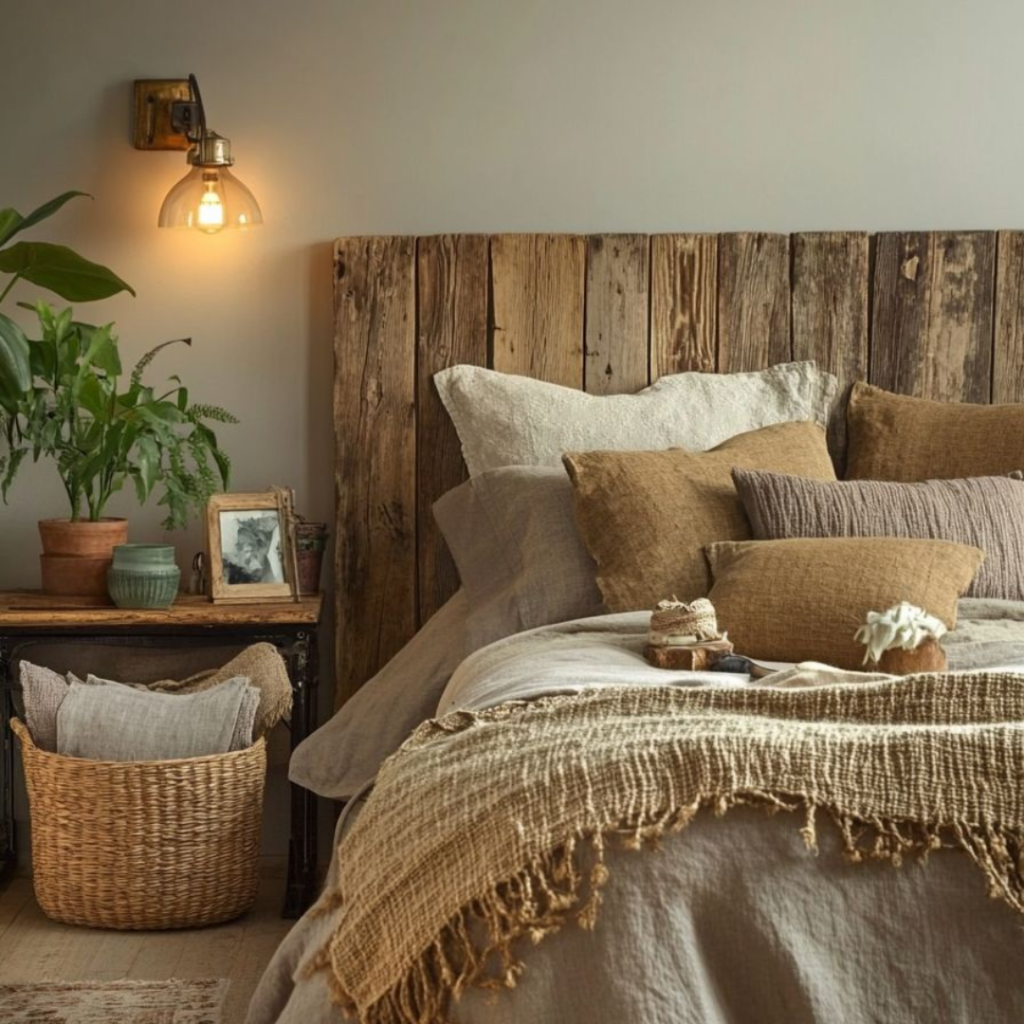
This brings personality into modern bedrooms.
Why it works
Reclaimed wood carries imperfections that make a room feel lived-in.
Tips
- Keep surrounding décor minimal
- Use matte finishes
- Pair with soft fabrics
Steps
- Source reclaimed wood
- Treat and seal surface
- Install headboard
- Balance with soft textiles
Cost
- $300 to $2,000+
Pros
- Eco-friendly
- Unique character
- Warm aesthetic
Cons
- May not match modern finishes perfectly
It’s like your bedroom has a story before you even move in.
Textured Wall Styles That Pair Perfectly with Wood Headboards
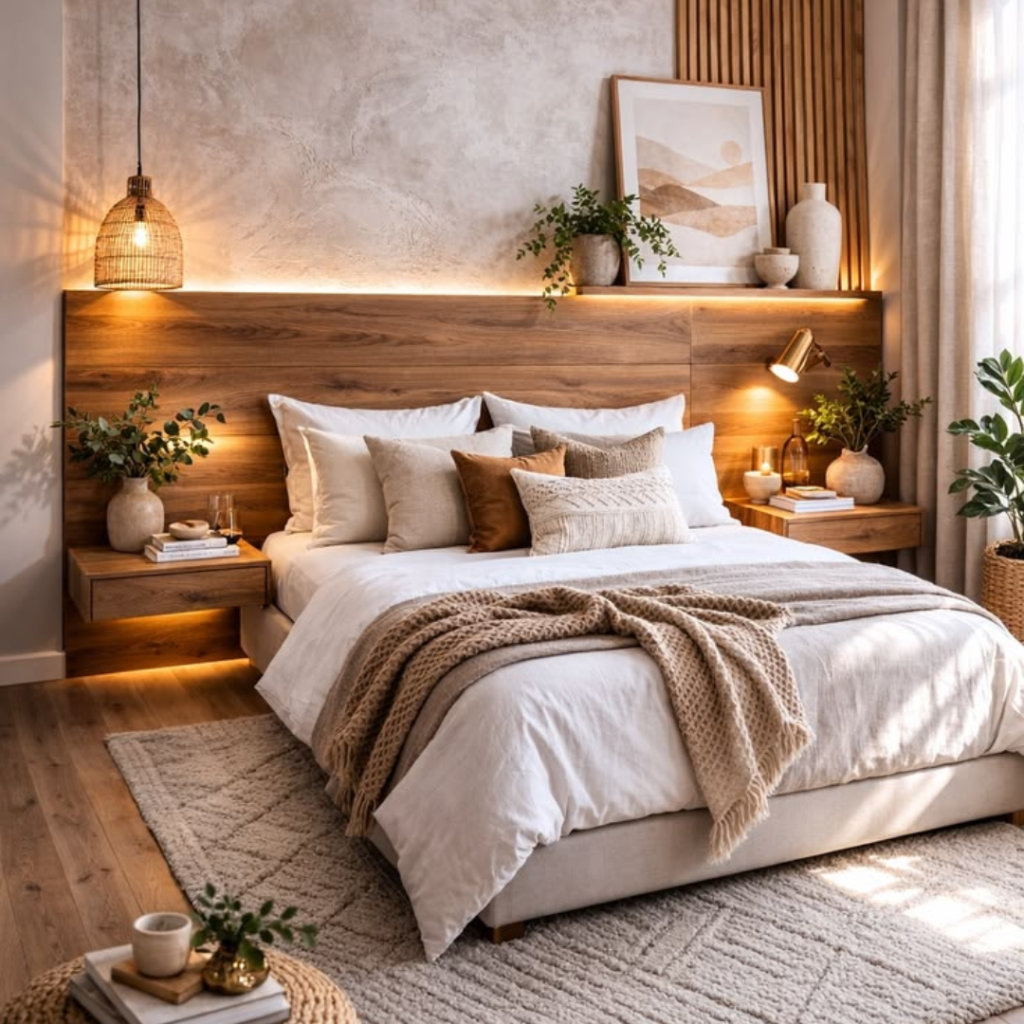
Now let’s talk about the wall—the silent partner in this design trend.
1. Limewash Textured Walls
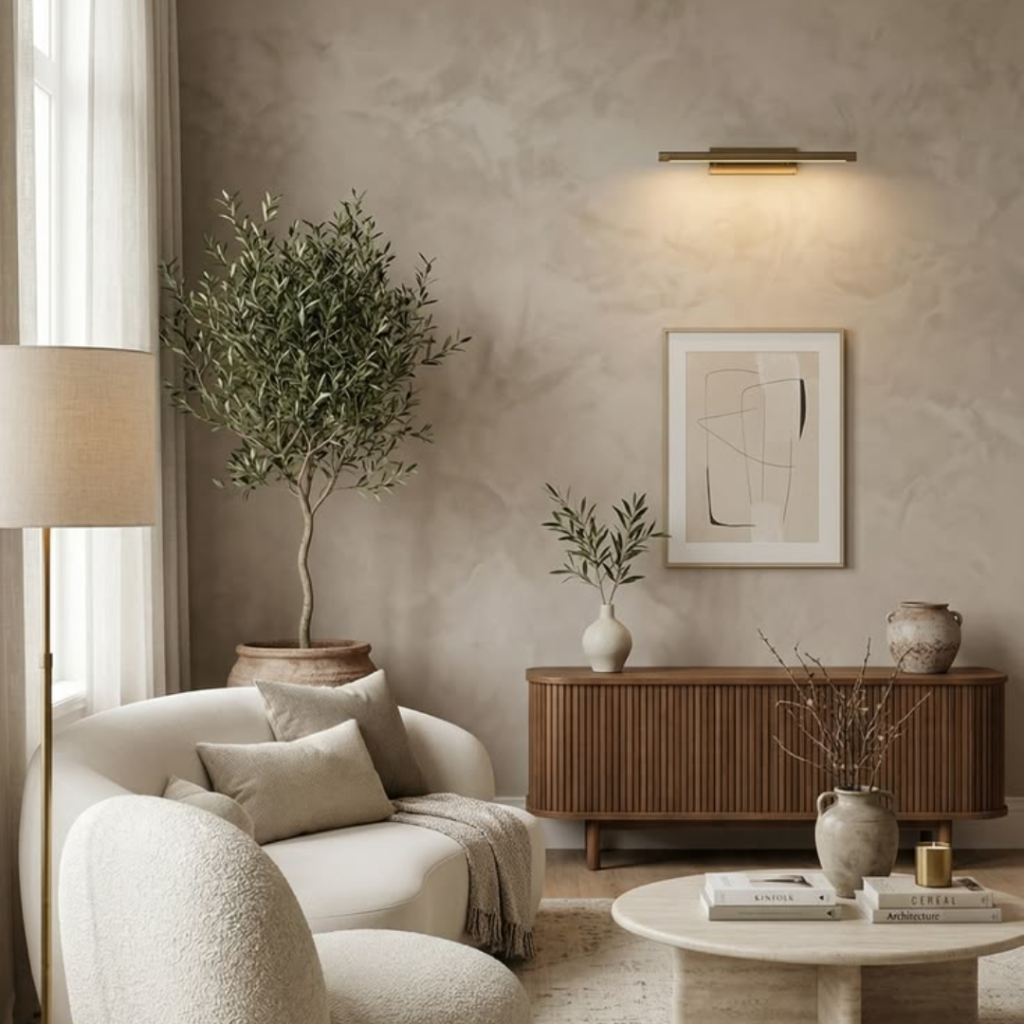
One of the biggest 2026 design trends.
Why it works
Limewash creates soft movement on walls that changes with light.
Tips
- Use neutral tones like beige, clay, or soft grey
- Avoid overly dark shades in small rooms
- Combine with warm lighting
Steps
- Prep wall surface
- Apply base coat
- Layer limewash finish
- Let texture develop naturally
Cost
- $150 to $600 DIY
- $800 to $3,000 professional
Pros
- Soft natural finish
- Extremely trendy
- Works with wood perfectly
Cons
- Requires maintenance over time
It feels like your wall is gently breathing.
2. 3D Panel Textured Walls
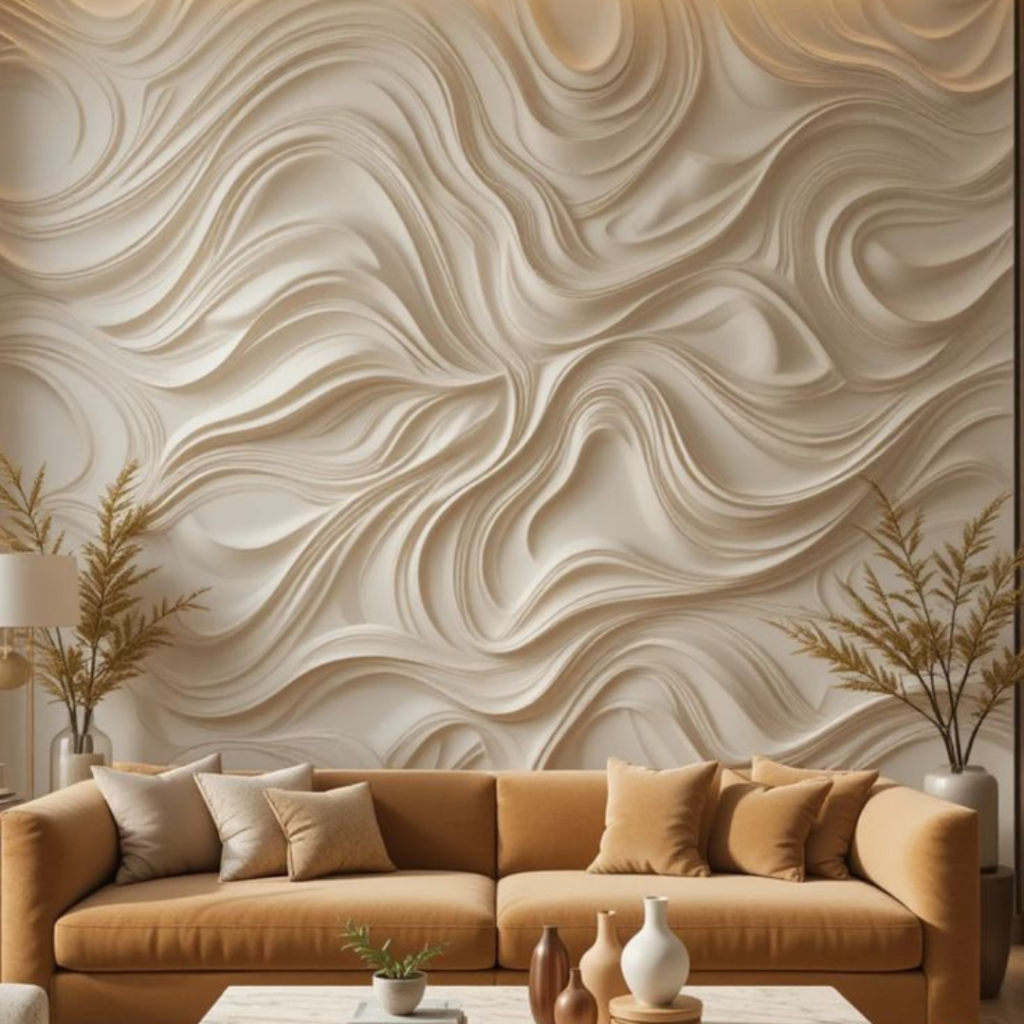
These are structured and bold.
Why it works
3D panels add geometric depth that contrasts wood softness.
Tips
- Use neutral colors
- Avoid overly complex patterns
- Combine with soft bedding
Steps
- Measure wall
- Install panel system
- Paint or stain
- Add lighting accents
Cost
- $300 to $4,000+
Pros
- Strong visual impact
- Modern aesthetic
- Durable finish
Cons
- Can feel too structured if overused
3. Fabric Upholstered Walls
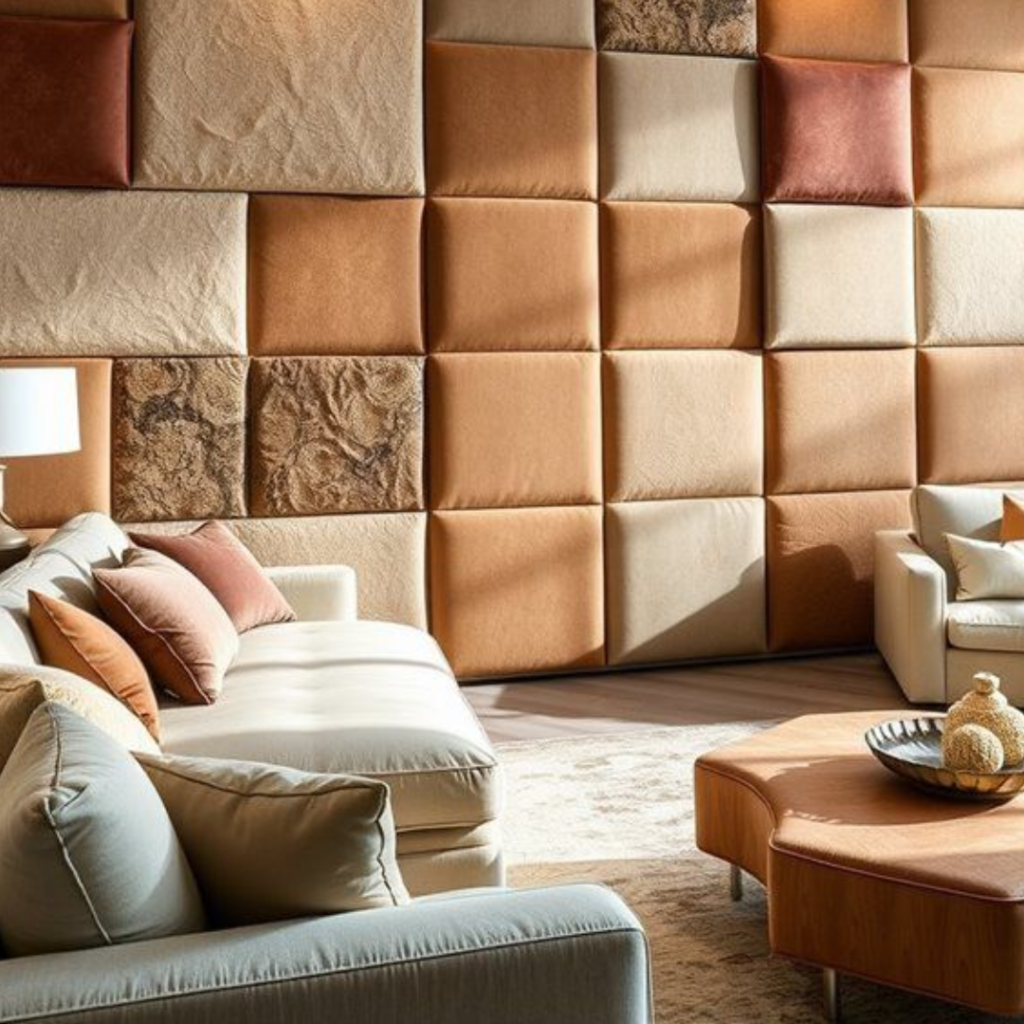
This is the softest version of the trend.
Why it works
Fabric walls absorb sound and create a hotel-like feel.
Tips
- Use linen or suede textures
- Stick to light neutrals
- Combine with wooden tones
Steps
- Install wall padding
- Attach fabric panels
- Secure edges cleanly
- Add subtle lighting
Cost
- $500 to $5,000+
Pros
- Extremely cozy
- Sound absorption
- Luxury hotel vibe
Cons
- Requires cleaning care
It feels like your bedroom is wrapped in calm.
Lighting That Makes This Trend Actually Work
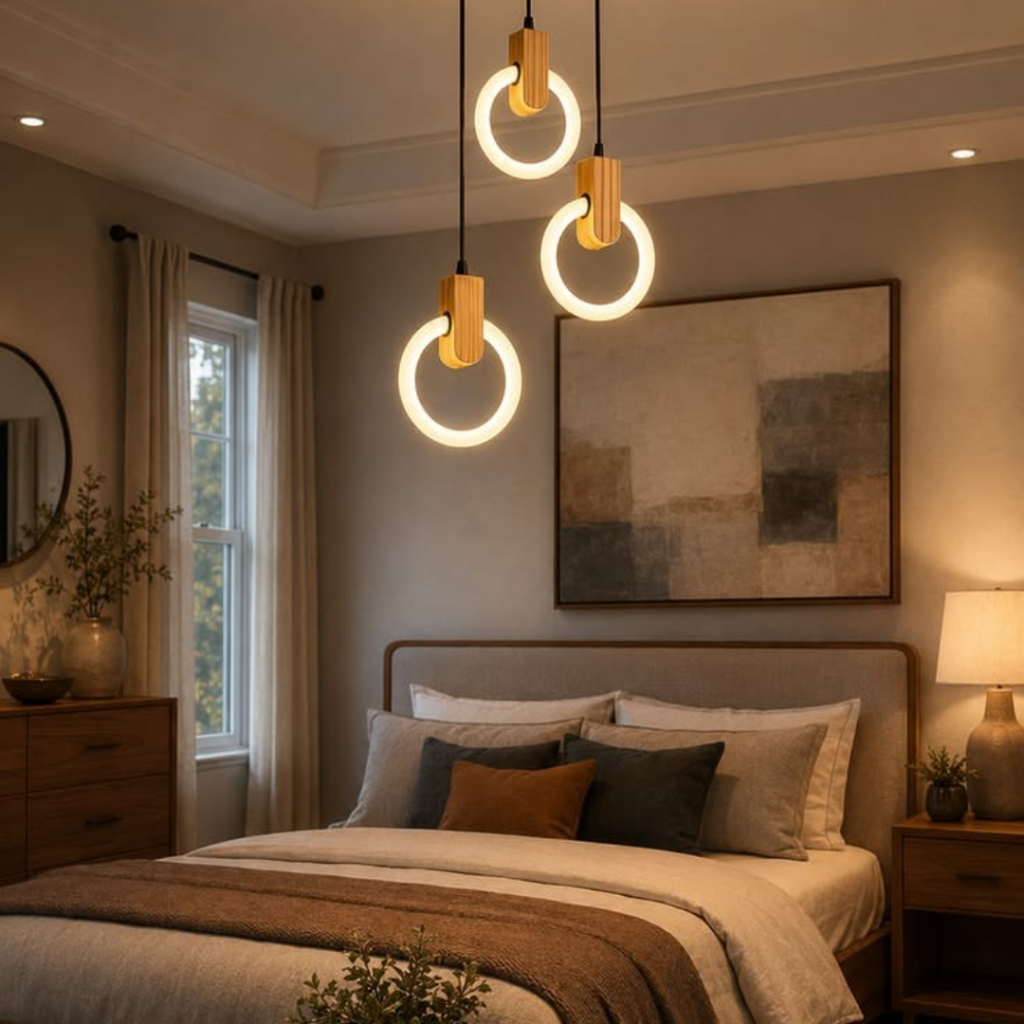
Without proper lighting, this entire setup falls flat.
Why it works
Lighting reveals texture. Without it, walls and wood lose dimension.
Tips
- Use warm LED lighting
- Add hidden strip lights behind headboard
- Avoid harsh white bulbs
Steps
- Install ceiling ambient light
- Add wall accent lighting
- Install headboard backlight
- Test evening mood
Cost
- $100 to $1,500+
Pros
- Enhances texture
- Adds warmth
- Creates mood instantly
Cons
- Requires planning during installation
Lighting is like the “filter” that brings your bedroom to life.
Color Palettes That Work Best with Wood + Texture
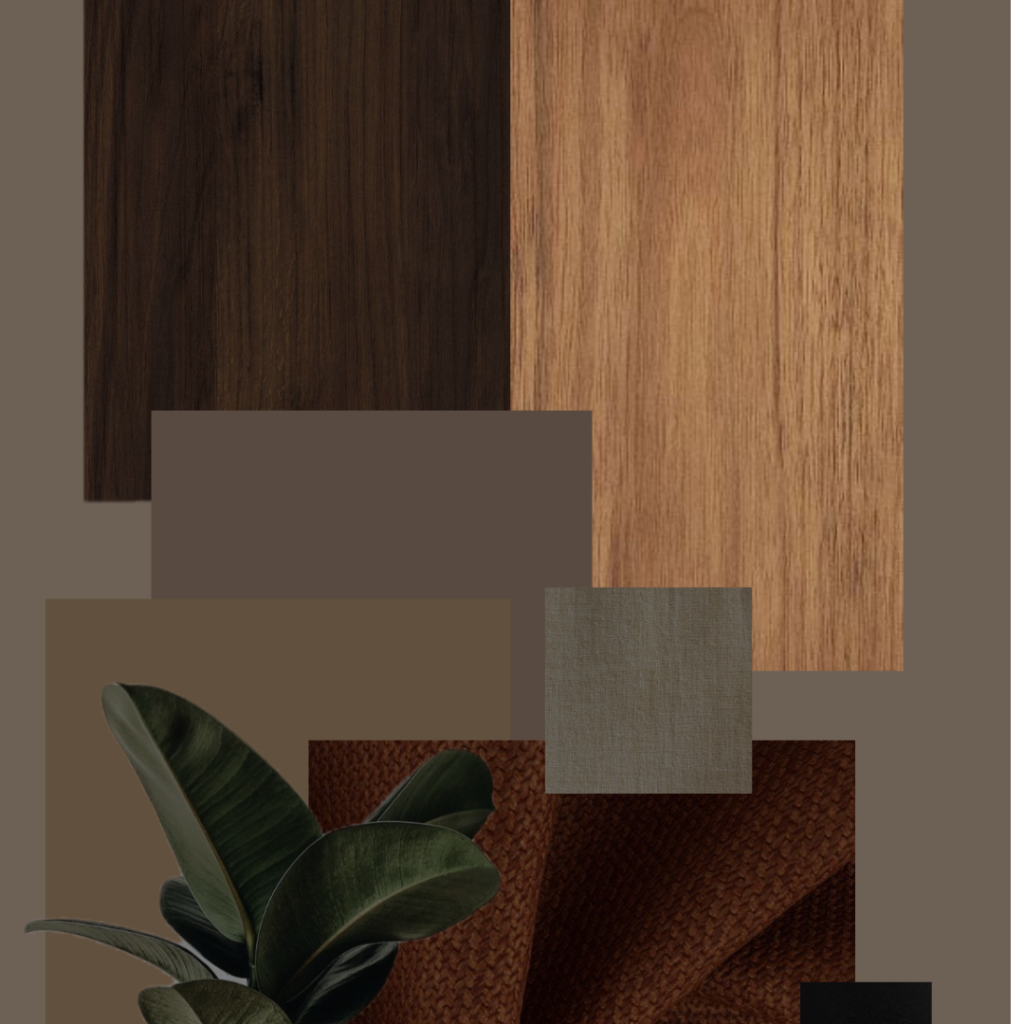
Why it works
Color controls emotional tone.
Best combinations
- Warm beige + oak wood
- Soft grey + walnut wood
- Cream + natural ash wood
- Taupe + reclaimed wood
Tips
- Stick to 2–3 tones max
- Avoid bright contrasting colors
- Use bedding to soften palette
Cost
- Paint refresh: $100 to $600
Pros
- Timeless look
- Easy coordination
- Calming effect
Cons
- Poor choice can flatten design
Real-Life Design Insight (Personal Style Note)
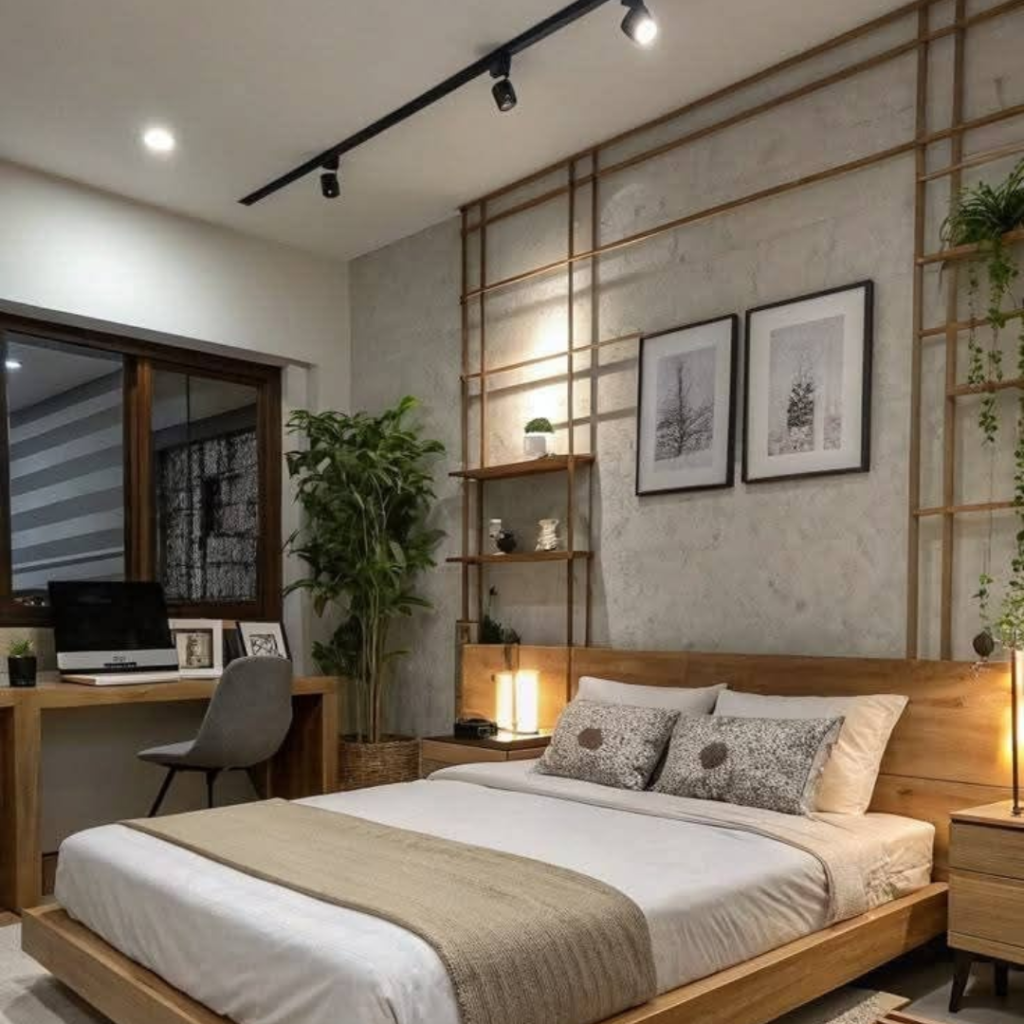
I once saw a bedroom where everything was perfect—white walls, expensive furniture, modern lighting—but it still felt empty. Then the designer added a simple oak slatted headboard and textured plaster wall behind it.
The room didn’t change physically much.
But emotionally? It completely shifted.
It went from “display room” to “somewhere you actually want to sleep after a long day.”
That’s what this trend does—it fixes emotional coldness in modern interiors.
Cost Breakdown for Full Bedroom Setup
- Budget setup: $500 to $1,500
- Mid-range setup: $1,500 to $5,000
- Luxury setup: $5,000 to $15,000+
Cost depends mostly on:
- Wood quality
- Wall finish type
- Lighting design
- Installation method
Pros and Cons of This Bedroom Trend
Pros
- Highly cozy atmosphere
- Modern yet timeless
- Works in small and large bedrooms
- Strong visual depth
- Increases perceived luxury
Cons
- Requires design balance
- Lighting is critical
- Can become expensive in custom builds
- Needs proper maintenance depending on materials
FAQs
Is wood headboard with textured wall still trendy in 2026?
Yes, it is one of the strongest emerging bedroom design directions because it focuses on comfort and natural materials.
Does this design work in small bedrooms?
Yes, especially when using lighter wood tones and soft wall textures like limewash.
What wood type is best?
Oak and walnut are the most popular due to durability and warm tone balance.
Can I DIY this design?
Yes, especially with peel-and-stick wood panels and textured paint finishes.
Does it increase home value?
Yes, modern bedrooms with natural textures are highly appealing in property listings


