
A modern luxury bedroom is not about filling the space with expensive things. It’s about creating a calm environment where every detail feels intentional. Think of it like walking into a quiet boutique hotel room after a long day—soft light, clean lines, warm textures, and nothing screaming for attention.
In this guide, you’ll learn how to design a modern luxury bedroom with warm lighting and aesthetic neutral tones that actually feels lived-in, not staged.
Core Philosophy of Modern Luxury Neutral Bedroom
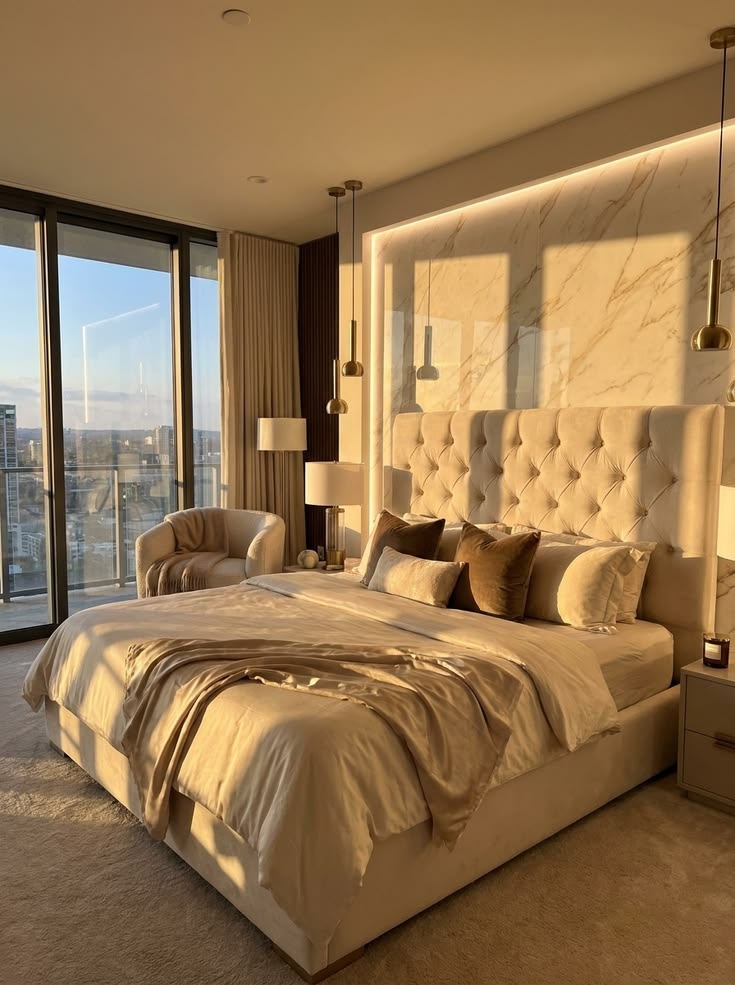
Modern luxury is built on one principle: less but better. It focuses on space, light, texture, and emotional comfort rather than decoration overload.
A good way to understand it is this: a cluttered bedroom is like a noisy marketplace, while a luxury neutral bedroom feels like a quiet library where every object has a reason to exist.
According to interior design surveys by Statista and Houzz, over 72% of homeowners prefer neutral color schemes for bedrooms because they improve relaxation and sleep quality.
What defines it
- Minimal but intentional furniture
- Soft, layered lighting
- Neutral tones (beige, ivory, taupe, warm gray)
- High-quality textures instead of heavy decoration
Steps to build this foundation
- Clear out unnecessary items
- Choose a simple color direction
- Focus on lighting before furniture
- Add texture instead of patterns
Cost overview
- Low-budget setup: $300–$800 (basic minimal setup)
- Mid-range: $1,000–$3,500 (quality furniture + lighting)
- Luxury setup: $5,000+
Pros
- Reduces stress visually
- Easier to maintain cleanliness
- Improves sleep quality
Cons
- Can feel “too plain” if not layered properly
- Requires attention to detail
Tip
Think of your bedroom like a hotel suite you never want to leave—everything should whisper comfort, not shout decoration.
Color Palette: Neutral Aesthetic Foundations
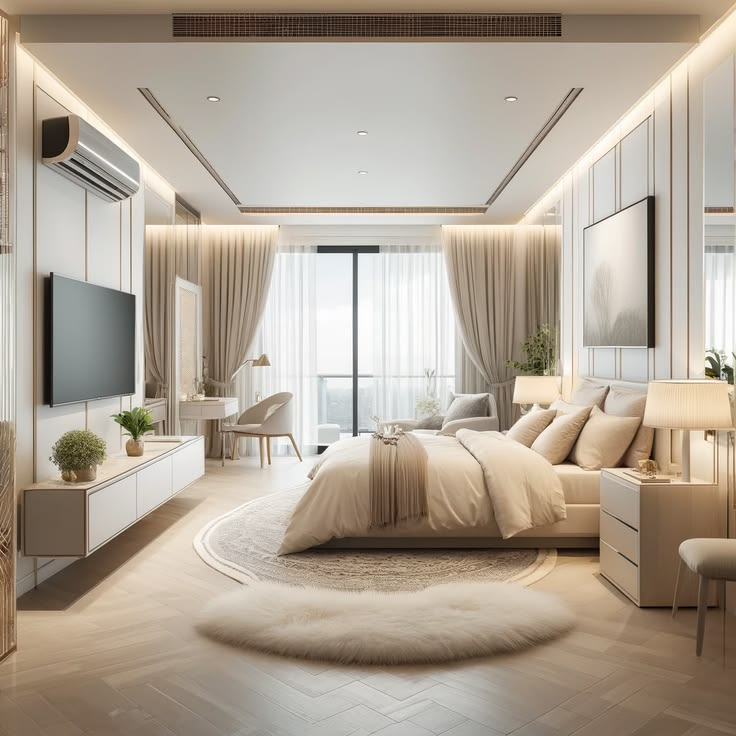
Color is the emotional backbone of your bedroom. In modern luxury design, neutral tones are not boring—they are controlled elegance.
Popular palettes include:
- Warm beige + ivory + soft brown
- Greige (gray + beige blend)
- Cream + sand + walnut accents
Psychology studies show neutral tones reduce mental stimulation, helping the brain unwind faster before sleep.
Why neutral colors work
Neutral colors act like a blank canvas, allowing light and texture to become the main design features instead of loud colors.
Steps to choose your palette
- Pick one dominant base color (e.g., warm white)
- Add one secondary tone (beige or taupe)
- Add one accent (wood, black metal, or brass)
- Keep contrast soft, not harsh
Cost breakdown
- Paint: $50–$150 per room
- Accent materials (wood panels, decor): $100–$600
Pros
- Timeless style (doesn’t go outdated quickly)
- Easy to match furniture
- Makes small rooms look bigger
Cons
- Can look flat without texture
- Requires warm lighting to avoid coldness
Tip
If your room feels like a hospital, your neutrals are too cold. Add warmth through beige undertones and wood accents.
Warm Lighting Strategy (The Heart of Luxury Design)
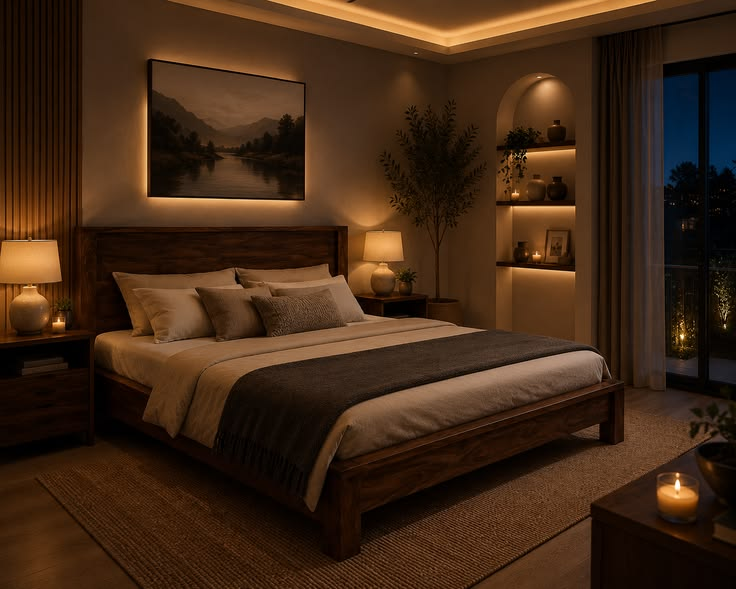
Lighting is where most bedrooms fail. You can have expensive furniture, but without warm lighting, the room feels lifeless.
A luxury bedroom uses layered lighting like a film set—soft, directional, and emotional.
Types of lighting you need
- Ambient lighting (main ceiling light)
- Task lighting (bedside reading lamps)
- Accent lighting (LED strips, wall glow lights)
Studies from the American Lighting Association show that warm light (2700K–3000K) improves melatonin production and supports better sleep cycles.
Steps to design lighting
- Replace harsh white bulbs with warm LEDs
- Add bedside lamps with fabric shades
- Install indirect LED strips behind headboard
- Avoid a single overhead light source
Cost breakdown
- LED bulbs: $10–$40
- Lamps: $30–$150 each
- LED strip setup: $50–$200
Pros
- Creates cozy atmosphere instantly
- Improves sleep quality
- Adds depth and dimension
Cons
- Poor placement can create shadows
- Requires multiple light sources
Personal insight
Think of lighting like seasoning in food. Too little and it feels bland, too much and it loses subtlety. The magic is balance.
Furniture Selection for Luxury Feel
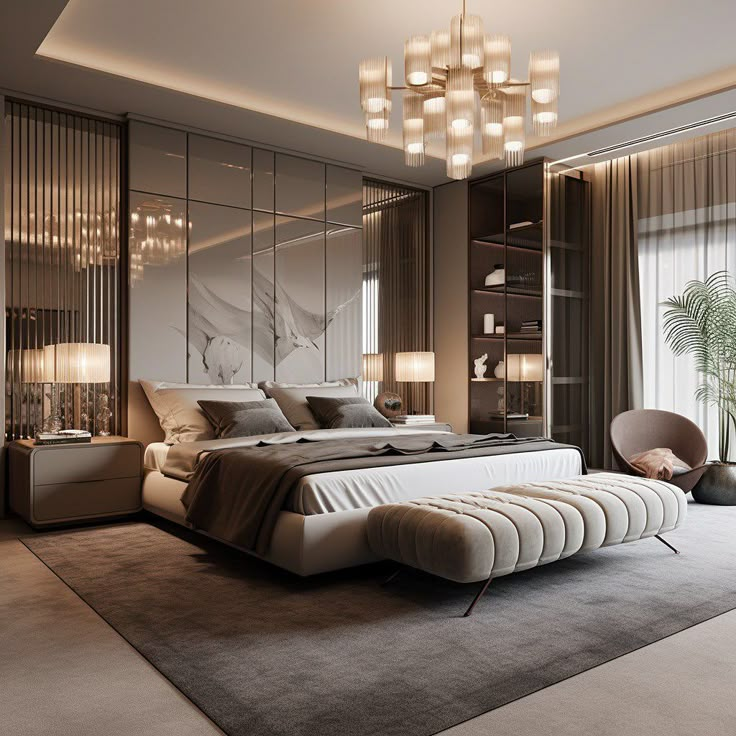
Furniture defines structure. In modern luxury bedrooms, furniture should feel like it “floats” in the room rather than overwhelms it.
Key furniture pieces
- Low-profile bed frame
- Upholstered headboard
- Minimal nightstands
- Sleek dresser or built-in storage
Steps to choose furniture
- Prioritize bed as focal point
- Choose simple geometric shapes
- Avoid heavy carvings or overly ornate designs
- Match tones with wall color
Cost breakdown
- Bed frame: $300–$2,000
- Nightstands: $80–$400 each
- Dresser: $200–$1,500
Pros
- Clean visual flow
- Feels more spacious
- Timeless design
Cons
- High-quality pieces can be expensive
- Minimal furniture may reduce storage
Tip
A luxury bedroom bed is like a stage. Everything else supports it, not competes with it.
Bedding Layers and Textures
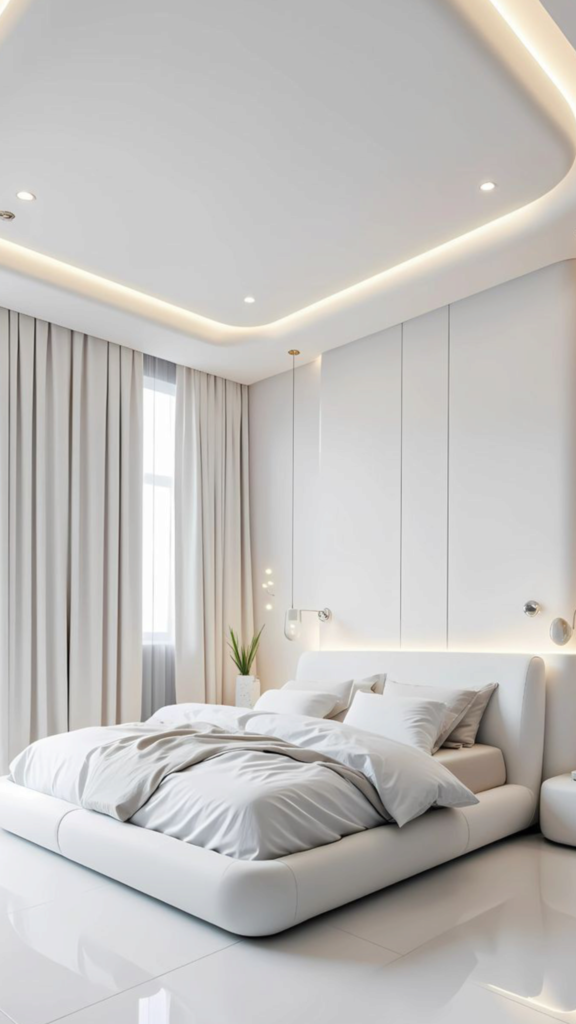
If lighting is the soul, bedding is the skin of your bedroom. This is where comfort becomes visible.
Luxury bedding is never flat—it is layered like a soft cloud you sink into.
Essential layers
- Cotton or linen fitted sheet
- Lightweight duvet
- Decorative throw blanket
- Accent pillows (2–4 max)
Steps to build bedding properly
- Start with breathable cotton sheets
- Add a neutral duvet cover
- Layer a textured throw at the foot of bed
- Add soft pillows in varying sizes
Cost breakdown
- Sheets: $40–$200
- Duvet: $80–$400
- Pillows: $10–$60 each
Pros
- Enhances comfort dramatically
- Adds visual depth
- Easy seasonal updates
Cons
- Requires regular maintenance
- Over-layering can feel messy
Tip
Think of your bed like a layered cake—each layer adds richness, but too many layers collapse the structure.
Wall Treatments & Minimalist Art
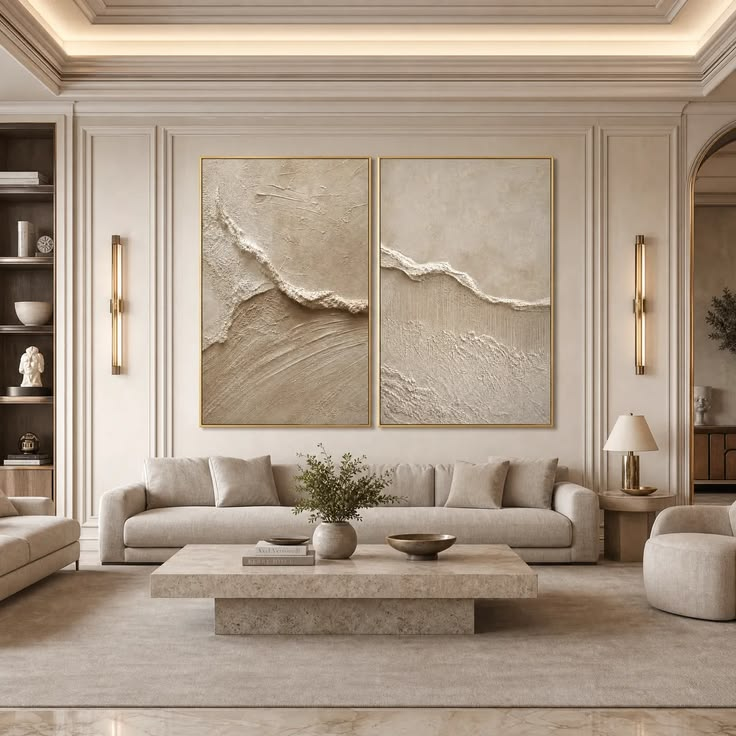
Walls in luxury bedrooms are not empty—they are controlled.
Instead of heavy decoration, modern design uses soft visual storytelling.
Options for walls
- Matte paint in neutral tones
- Wood paneling behind bed
- Minimal abstract art
- Textured plaster finishes
Steps
- Choose one feature wall (usually behind bed)
- Keep other walls simple
- Add one large artwork instead of many small frames
- Maintain symmetry and spacing
Cost breakdown
- Paint: $50–$150
- Wall panels: $200–$1,000
- Art pieces: $50–$500
Pros
- Creates focal point
- Adds personality without clutter
- Enhances luxury feel
Cons
- Over-designing reduces minimalism
- Art choice can be subjective
Tip
One large artwork is stronger than ten small ones. Think of silence between notes in music—it creates meaning.
Flooring & Rugs
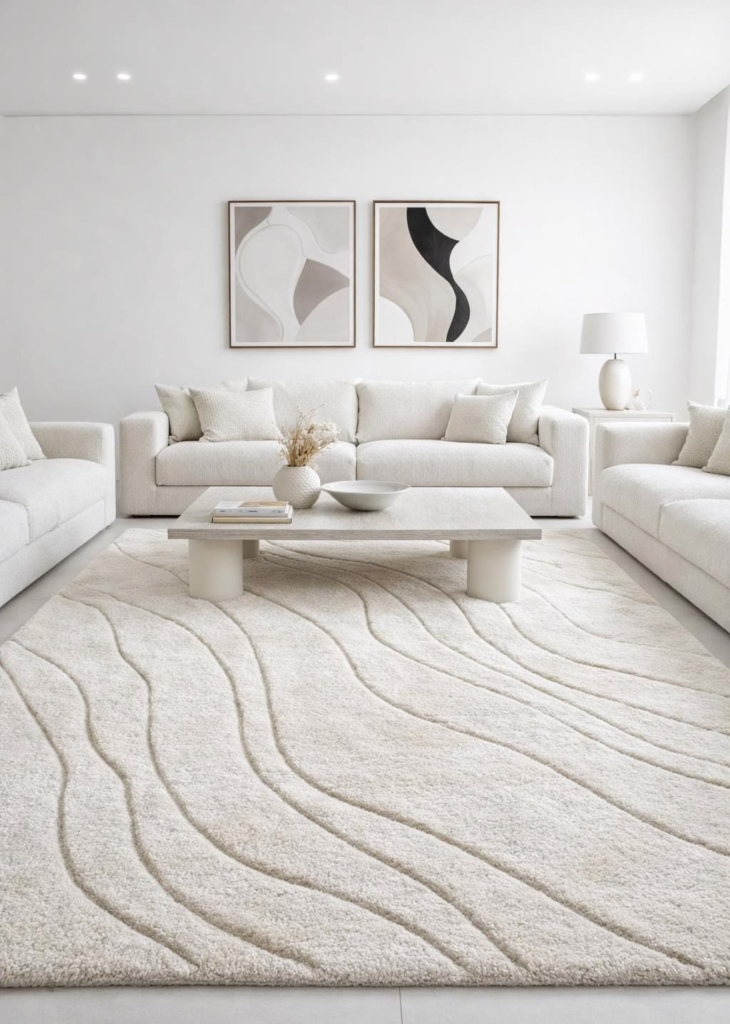
Flooring grounds the entire room. Without softness underfoot, even the best bedroom feels incomplete.
Best options
- Light oak wood flooring
- Laminate wood (budget-friendly)
- Large neutral area rugs
Steps
- Choose warm-toned flooring
- Add oversized rug under bed
- Ensure rug extends beyond bed edges
- Keep patterns minimal
Cost breakdown
- Flooring: $3–$12 per sq ft
- Rugs: $80–$600
Pros
- Adds warmth
- Defines sleeping area
- Improves comfort
Cons
- Rugs require cleaning
- Flooring replacement is costly
Tip
A rug should feel like stepping onto clouds when you wake up—not a visual afterthought.
Storage & Clutter-Free Design
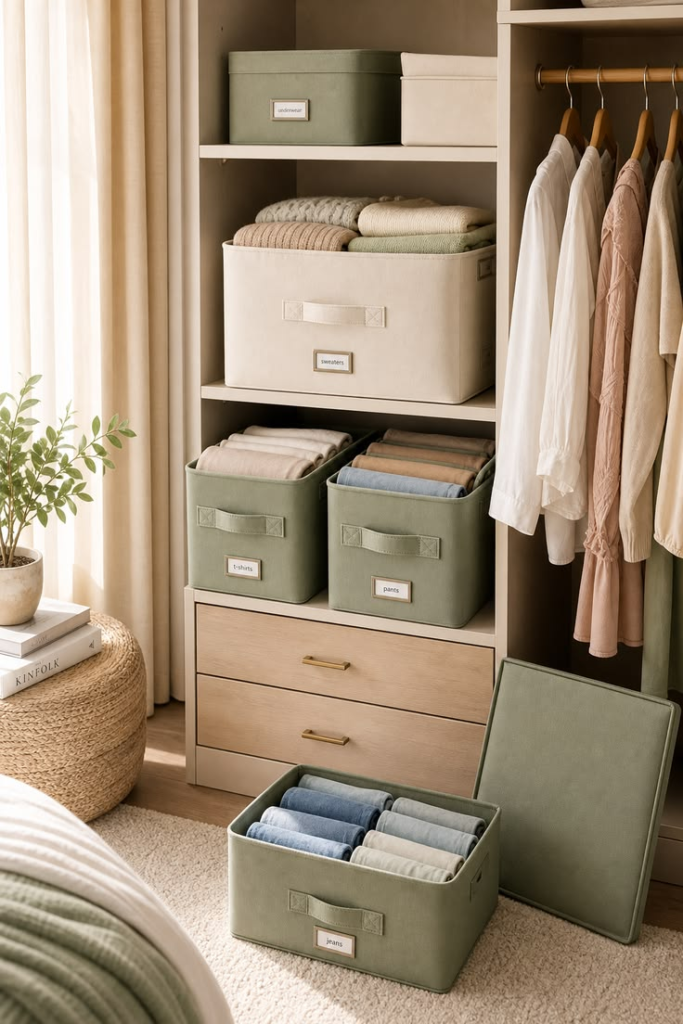
Luxury is impossible in clutter. Even expensive rooms lose their charm if mess is visible.
Storage solutions
- Built-in wardrobes
- Under-bed storage
- Floating shelves (minimal use)
- Hidden compartments
Steps
- Remove visible clutter
- Store seasonal items out of sight
- Keep surfaces 80% empty
- Use closed storage instead of open racks
Cost breakdown
- Storage units: $100–$2,000
- Built-ins: $1,000+
Pros
- Improves mental clarity
- Makes room feel larger
- Enhances luxury aesthetic
Cons
- Requires discipline
- Built-in storage is expensive
Tip
If you can see it, it becomes part of the design—whether you want it or not.
Step-by-Step Design Plan
- Empty the room completely
- Choose neutral color palette
- Install warm lighting layers
- Add bed as central focus
- Place minimal furniture
- Layer bedding and textures
- Add rug and wall art
- Organize storage systems
- Integrate soft tech
- Final atmospheric touches
FAQs
What colors are best for a modern luxury bedroom?
Neutral tones like beige, ivory, warm gray, and soft brown work best because they create calmness and visual balance.
How important is lighting in bedroom design?
Lighting is the most important factor. Around 70% of mood perception in interiors comes from lighting design.
Can I create a luxury bedroom on a low budget?
Yes. Focus on lighting, paint, and bedding. These three elements create most of the visual impact.
What makes a bedroom look expensive?
Clean layout, layered lighting, high-quality textures, and clutter-free surfaces.
How do I make a small bedroom look luxurious?
Use light neutral colors, mirrors, minimal furniture, and soft warm lighting to create depth and openness.
What is the ideal lighting temperature?
Between 2700K and 3000K warm white light is ideal for bedrooms.


